

DESIOR TECHNOLOGY CO., LTD
Our wish is to let children touch a better and healthier world.
All categories >
Key Factors to Consider When Selecting Hydraulic Seals for Your Equipment
Hydraulic seals play a crucial role in the performance and longevity of hydraulic systems in various industrial equipment. Selecting the right hydraulic seal is not merely a matter of preference; it can significantly impact the efficiency, reliability, and safety of your operations. In this article, we will explore the key factors to consider when selecting hydraulic seals for your equipment.
Table of Contents
- Understanding Hydraulic Seals: What You Need to Know
- Types of Hydraulic Seals and Their Applications
- Material Selection for Hydraulic Seals: Finding the Right Fit
- Evaluating Operating Conditions for Hydraulic Seals
- Design Considerations for Hydraulic Seals
- Common Hydraulic Seal Failures and Their Causes
- Maintenance Tips for Extending the Life of Hydraulic Seals
- Frequently Asked Questions
Understanding Hydraulic Seals: What You Need to Know
Hydraulic seals are pivotal components used in various machinery, including hydraulic cylinders and pumps. Their primary function is to prevent fluid leakage and maintain pressure within the hydraulic system. Understanding the importance of these seals is fundamental for any effective maintenance or upgrade plan.
Hydraulic seals operate by creating a barrier between moving parts, allowing for efficient fluid transfer while minimizing wear and tear on machinery components. The effectiveness of a hydraulic seal is determined by its design, material, and compatibility with the hydraulic fluid being used.
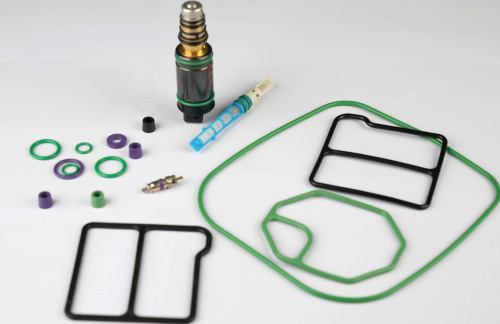
Types of Hydraulic Seals and Their Applications
There are several types of hydraulic seals, each designed for specific applications:
Rod Seals
Rod seals are utilized in hydraulic cylinders and are designed to prevent hydraulic fluid from leaking past the piston rod. They are essential for maintaining pressure and ensuring smooth cylinder operation.
Piston Seals
Piston seals are found within hydraulic cylinders and are responsible for sealing the area between the piston and the cylinder wall. These seals help to maintain pressure and facilitate the smooth movement of the piston.
Guiding Seals
These seals are used to guide the piston rod in hydraulic cylinders and prevent wear on the rod and the cylinder. They are critical for maintaining alignment and reducing friction during operation.
U-Cups
U-cups are versatile seals that can be used as both rod and piston seals. Their design allows them to maintain a tight seal under various pressures, making them ideal for many hydraulic applications.
V-Rings and O-Rings
V-rings and O-rings are commonly used in hydraulic systems for static and dynamic sealing applications. They are appreciated for their simplicity and effectiveness in preventing fluid leakage.
Material Selection for Hydraulic Seals: Finding the Right Fit
When it comes to hydraulic seals, material selection is paramount. The material chosen will impact the seal's durability, resistance to wear, and compatibility with hydraulic fluids. Common materials include:
Rubber Seals
Rubber seals, such as Nitrile (Buna-N) and Viton, are known for their flexibility and excellent sealing properties. Nitrile is suitable for most hydraulic fluids, while Viton offers higher temperature and chemical resistance.
Polyurethane Seals
Polyurethane seals are known for their superior wear resistance and are ideal for applications with high abrasion. They can withstand a range of temperatures and are often used in high-pressure systems.
PTFE Seals
Polytetrafluoroethylene (PTFE) seals provide excellent chemical resistance and are suitable for use with aggressive fluids. They are typically used in applications that require low friction and high temperatures.
Metal Seals
Metal seals, such as those made from stainless steel, are used in extreme conditions where high temperatures and pressures are present. They are durable but may require more precise installation.
Evaluating Operating Conditions for Hydraulic Seals
Understanding the operating conditions of your hydraulic system is essential when selecting hydraulic seals. Key factors to consider include:
Temperature Range
The operational temperature range will dictate the type of material suitable for your hydraulic seals. High temperatures can degrade certain materials, while low temperatures can cause them to become brittle.
Pressure Levels
Hydraulic systems operate under varying pressure levels. It is crucial to select seals that can withstand the pressures expected in your system without compromising efficiency.
Fluid Compatibility
Ensure that the hydraulic seal material is compatible with the hydraulic fluid used in your system. Chemical compatibility is vital for preventing seal degradation and maintaining system integrity.
Environmental Conditions
Consider the environmental conditions where the hydraulic equipment operates. Factors such as exposure to contaminants, humidity, and temperature fluctuations can influence seal performance.
Design Considerations for Hydraulic Seals
Design plays a critical role in ensuring the effectiveness of hydraulic seals. When choosing a seal, consider the following aspects:
Seal Geometry
The geometry of the seal must match the design of the sealing surfaces. Proper fit and engagement with the corresponding surfaces ensure optimal sealing performance.
Surface Finish
The surface finish of the sealing surfaces should be smooth to minimize wear on the seal and to prevent fluid leakage. Rough surfaces can lead to premature seal failure.
Installation Technique
Proper installation techniques are essential for the longevity of hydraulic seals. Follow manufacturer guidelines to ensure seals are correctly positioned and fitted to avoid leaks and damage.
Common Hydraulic Seal Failures and Their Causes
Understanding common failure modes can help in selecting better seals and preventing costly downtime. Key failure types include:
Wear and Tear
Over time, hydraulic seals can wear out due to friction and exposure to harsh conditions. Regular inspections can help identify signs of wear early.
Chemical Degradation
Incompatible fluids can lead to chemical degradation of the seal material, resulting in leaks. Always verify fluid compatibility with seal materials.
Installation Errors
Improper installation can cause seals to fail prematurely. Ensuring that seals are installed according to specifications is vital for optimal performance.
Temperature-Related Failures
Operating outside the recommended temperature range can cause seals to harden or soften, leading to leaks and system failures.
Maintenance Tips for Extending the Life of Hydraulic Seals
Regular maintenance is essential for prolonging the life of hydraulic seals. Here are some tips to ensure your seals remain effective:
Routine Inspections
Conduct routine inspections of your hydraulic system to identify early signs of seal wear or damage. Look for leaks and monitor performance.
Replace Worn Seals Promptly
If you notice any signs of wear, such as leakage or performance drops, replace the seals immediately to prevent further damage to the equipment.
Maintain Proper Fluid Levels
Ensure that hydraulic fluid levels are maintained according to manufacturer specifications. Low fluid levels can lead to increased wear on seals.
Monitor Operating Conditions
Regularly monitor the operating conditions, such as temperature and pressure, to ensure they remain within recommended ranges.
Frequently Asked Questions
1. What are hydraulic seals made from?
Hydraulic seals can be made from various materials, including rubber, polyurethane, PTFE, and metal, depending on their application and operating conditions.
2. How do I know which hydraulic seal to choose?
Selecting the right hydraulic seal involves considering factors such as operating conditions, fluid compatibility, and the specific type of seal required for your application.
3. How often should hydraulic seals be replaced?
The replacement frequency of hydraulic seals varies based on usage and operating conditions. It's essential to inspect them regularly and replace them as needed to prevent system failures.
4. Can I use hydraulic seals in extreme temperatures?
Yes, but you must select seals made from materials that can withstand the specific temperature ranges of your application.
5. What are the signs of a failing hydraulic seal?
Common signs of a failing hydraulic seal include fluid leaks, decreased pressure, and unusual noises from the hydraulic system.
Conclusion
Selecting the right hydraulic seals for your equipment is critical for maintaining operational efficiency and ensuring the longevity of your machinery. By considering factors such as seal types, material selection, operating conditions, and design considerations, you can make informed choices that will enhance the performance of your hydraulic systems. Regular maintenance and prompt attention to worn seals will ultimately lead to reduced downtime and increased productivity. Focus on these key factors, and you'll be well on your way to selecting the most effective hydraulic seals for your specific industrial needs.
Keyword:
Hydraulic seal
As the leading designer and manufacturer of rubber parts and seals, DESIOR Rubber has a wide range of products to meet all your sealing needs. From our vast o-ring inventory of virtually any shape and size to our complex, custom sealing solutions, we have precisely what you need for any sealing application.


Have a inquiry?
All You Need to Know About Silicone O-Rings in the Chemical Industry
Discover the essential information about silicone O-rings and their applications in the chemical industry. Learn about their unique properties, benefits, and how they are used in various rubber produc




DESIOR TECHNOLOGY CO.,LTD


BLDG B QINGBANG FOREIGN FACTORY HIGH TECH NORTH 4 RD, NANSHAN DIST,SHENZHEN.CHN










SAF Coolest v1.3.1.2 设置面板 AFISD-ZWNF-AXZWE-ZSZ
无数据提示
Sorry, the current column is being updated, please stay tuned!
You can view other sections or go back Home