

DESIOR TECHNOLOGY CO., LTD
Our wish is to let children touch a better and healthier world.
All categories >
How to Properly Install Automotive O-Rings: Tips and Tricks for Optimal Performance
Table of Contents
- 1. Introduction to Automotive O-Rings
- 2. Understanding Automotive O-Rings
- 3. Choosing the Right O-Ring
- 4. Pre-Installation Preparation
- 5. The Installation Process
- 6. Common Installation Mistakes to Avoid
- 7. Maintenance Tips for Longevity
- 8. FAQs on Automotive O-Ring Installation
- 9. Conclusion
1. Introduction to Automotive O-Rings
Automotive O-rings are crucial components found in various systems within vehicles, ensuring a tight seal to prevent fluid leaks and maintain pressure. Whether in engine assemblies, hydraulic systems, or fuel systems, the correct installation of O-rings is essential for optimal vehicle performance. This guide will delve into the nuances of properly installing automotive O-rings, offering invaluable insights and techniques that ensure a successful application.
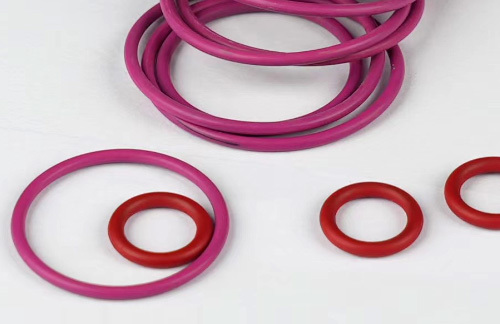
2. Understanding Automotive O-Rings
Automotive O-rings, typically made from rubber or synthetic materials, act as seals in a multitude of automotive applications. Understanding their composition, types, and functions is vital for effective installation.
2.1 Types of O-Rings
The types of O-rings used in automotive applications can vary based on material and design. Here are some of the most common types:
- **Nitrile (Buna-N)**: Known for its excellent resistance to petroleum oils, this is the most widely used O-ring material in automotive settings.
- **Fluoroelastomer (FKM)**: With exceptional heat and chemical resistance, FKM is ideal for high-temperature applications.
- **Silicone**: Known for flexibility at extreme temperatures, silicone O-rings are often used in automotive systems requiring high-performance sealing.
- **Polyurethane**: Highly resistant to abrasion and wear, polyurethane O-rings are often utilized in dynamic sealing applications.
2.2 Applications of O-Rings in Vehicles
O-rings find their utility in diverse automotive applications, such as:
- **Engine Sealing**: Preventing oil and coolant leaks in engine assemblies.
- **Transmission Systems**: Ensuring fluid containment and pressure maintenance.
- **Brake Systems**: Sealing hydraulic lines to avoid fluid loss.
- **Fuel Systems**: Protecting against fuel leaks and ensuring proper fuel delivery.
3. Choosing the Right O-Ring
Selecting the proper O-ring is crucial for successful installation. Consider the following factors:
- **Material Compatibility**: Ensure the O-ring material is compatible with the fluids it will encounter.
- **Size and Fit**: Measure the groove dimensions precisely to ensure the O-ring fits securely.
- **Temperature and Pressure Ratings**: Verify the O-ring's specifications to meet the operational conditions of the application.
4. Pre-Installation Preparation
Before proceeding with O-ring installation, proper preparation is essential. This section outlines key steps to ensure a smooth installation process.
5. The Installation Process
A successful installation is a step-by-step process that requires careful attention to detail. Follow the steps below for optimal results.
5.1 Cleaning the Installation Surface
Begin by thoroughly cleaning the surfaces where the O-ring will be seated. Use a lint-free cloth and an appropriate solvent to remove dirt, grease, and old sealant. This step is vital to ensure a proper seal.
5.2 Applying Lubricant
To facilitate the installation, apply a thin layer of silicone-based lubricant on the O-ring. This helps in:
- Preventing damage during installation.
- Reducing installation friction.
- Enhancing sealing performance.
Be cautious not to over-lubricate, as excess lubricant can attract contaminants.
5.3 Placing the O-Ring
Carefully place the O-ring into its designated groove. Ensure that it is seated evenly and does not twist or pinch. A properly placed O-ring will provide the best seal.
6. Common Installation Mistakes to Avoid
Being aware of potential pitfalls can enhance the installation process. Here are common mistakes to avoid:
- **Using the Wrong Material**: Ensure the selected O-ring material is suitable for the application.
- **Incorrect Sizing**: Double-check measurements to avoid leaks caused by improper fit.
- **Neglecting Surface Preparation**: Failing to clean surfaces can lead to compromised seals.
- **Over-Lubrication**: Excess lubricant can hinder the sealing process.
7. Maintenance Tips for Longevity
To ensure the longevity of O-rings, follow these essential maintenance tips:
- **Regular Inspections**: Periodically check for signs of wear or damage, especially in high-use areas.
- **Monitor Fluid Levels**: Keep an eye on fluid levels to catch any leaks early.
- **Timely Replacements**: Replace O-rings at recommended intervals or if any signs of deterioration are present.
8. FAQs on Automotive O-Ring Installation
What are the signs of a failing O-ring?
Common signs include fluid leaks, decreased pressure in systems, and visible cracks or wear on the O-ring.
How often should O-rings be replaced?
It is advisable to replace O-rings during regular maintenance checks or if you notice any signs of wear, typically every 30,000 to 50,000 miles.
Can I reuse an O-ring?
Reusing O-rings is not recommended as they may have already experienced wear that can compromise their sealing ability.
What tools do I need for O-ring installation?
Basic tools include clean cloths, a suitable solvent for cleaning, and silicone-based lubricant. For some installations, a pick tool may be helpful for precise placement.
Is there a specific torque for O-ring installation?
Torque specifications vary by application and vehicle. Always refer to the manufacturer’s guidelines for appropriate torque settings.
9. Conclusion
Installing automotive O-rings may seem straightforward, but attention to detail is crucial for achieving optimal performance and preventing leaks. By understanding the types of O-rings, selecting the right materials, and following a meticulous installation process, you can ensure the longevity and effectiveness of your vehicle's seals. Emphasizing regular maintenance and addressing common installation errors will further enhance your automotive skills and contribute to a reliable vehicle performance. Proper installation of O-rings not only protects your vehicle's systems but also enhances overall safety and efficiency, making it a vital skill for both enthusiasts and professionals alike.
Keyword:
Automotive ORINGS
As the leading designer and manufacturer of rubber parts and seals, DESIOR Rubber has a wide range of products to meet all your sealing needs. From our vast o-ring inventory of virtually any shape and size to our complex, custom sealing solutions, we have precisely what you need for any sealing application.


Have a inquiry?
All You Need to Know About Silicone O-Rings in the Chemical Industry
Discover the essential information about silicone O-rings and their applications in the chemical industry. Learn about their unique properties, benefits, and how they are used in various rubber produc




DESIOR TECHNOLOGY CO.,LTD


BLDG B QINGBANG FOREIGN FACTORY HIGH TECH NORTH 4 RD, NANSHAN DIST,SHENZHEN.CHN










SAF Coolest v1.3.1.2 设置面板 AFISD-ZWNF-AXZWE-ZSZ
无数据提示
Sorry, the current column is being updated, please stay tuned!
You can view other sections or go back Home