

DESIOR TECHNOLOGY CO., LTD
Our wish is to let children touch a better and healthier world.
All categories >
Introduction
Automotive O-Rings are vital components used in a variety of applications within the automotive industry. Designed as circular sealing elements, they play a crucial role in preventing leakage of fluids and gases in various automotive systems. Understanding the material properties, types, and applications of automotive O-Rings can significantly enhance vehicle performance, reliability, and safety.
Firstly, automotive O-Rings are made from a variety of elastomer materials, including nitrile, fluorocarbon, and silicone. The choice of material depends on several factors, including temperature range, chemical resistance, and the specific application environment. For instance, nitrile O-Rings are commonly used in fuel systems due to their excellent resistance to petroleum-based fluids, while fluorocarbon O-Rings are preferred for high-temperature applications because of their superior thermal stability.
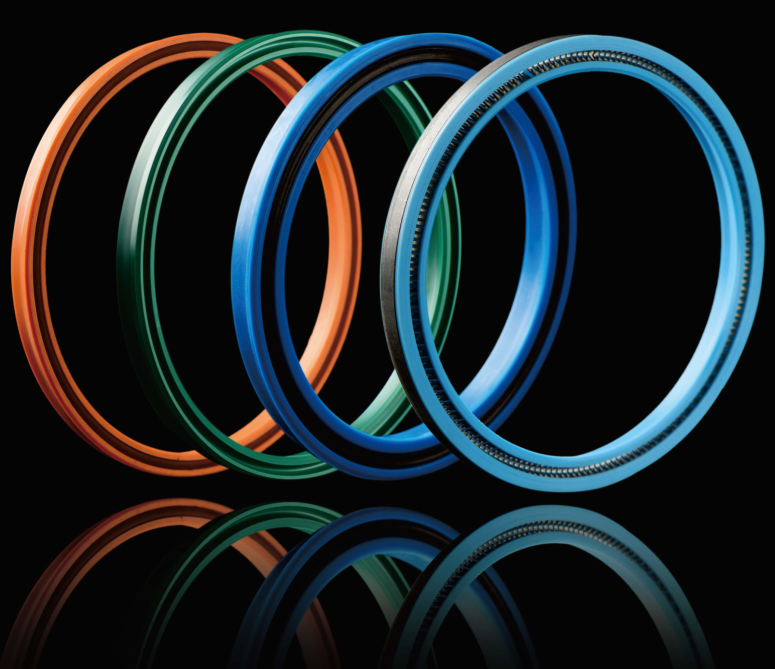
The design and size of O-Rings are also crucial elements that affect their performance. O-Rings come in standard sizes, but they can also be customized to meet specific requirements. Ensuring the right fit and appropriate compression is essential for creating an effective seal. When installed correctly, automotive O-Rings can withstand high pressures and temperatures, preventing leakage and ensuring the efficient operation of hydraulic systems, engine components, and transmission systems.
Another aspect worth noting is the importance of O-Ring maintenance and replacement. Over time, O-Rings can degrade due to exposure to heat, pressure, and chemical environments. Regular inspections and understanding the signs of wear—such as cracks, brittleness, or deformation—are vital for maintaining the integrity of automotive systems. Replacing worn O-Rings promptly can prevent costly repairs and enhance vehicle safety.
Furthermore, the manufacturing process of automotive O-Rings is an important consideration. Quality control measures are critical to ensure that O-Rings meet industry standards for performance and durability. Manufacturers often utilize advanced techniques, such as injection molding and precision machining, to produce high-quality O-Rings that can handle the demanding conditions of automotive applications.
In conclusion, automotive O-Rings are indispensable components that contribute to the overall performance and safety of vehicles. By understanding the materials, types, and maintenance practices associated with automotive O-Rings, professionals in the automotive industry can make informed decisions that enhance vehicle reliability and longevity. As technology advances, staying updated on the latest innovations in O-Ring design and application will further empower industry professionals to deliver optimal solutions in their automotive projects.
Keyword:
Automotive ORINGS
As the leading designer and manufacturer of rubber parts and seals, DESIOR Rubber has a wide range of products to meet all your sealing needs. From our vast o-ring inventory of virtually any shape and size to our complex, custom sealing solutions, we have precisely what you need for any sealing application.


Have a inquiry?
All You Need to Know About Silicone O-Rings in the Chemical Industry
Discover the essential information about silicone O-rings and their applications in the chemical industry. Learn about their unique properties, benefits, and how they are used in various rubber produc




DESIOR TECHNOLOGY CO.,LTD


BLDG B QINGBANG FOREIGN FACTORY HIGH TECH NORTH 4 RD, NANSHAN DIST,SHENZHEN.CHN










SAF Coolest v1.3.1.2 设置面板 AFISD-ZWNF-AXZWE-ZSZ
无数据提示
Sorry, the current column is being updated, please stay tuned!
You can view other sections or go back Home