

DESIOR TECHNOLOGY CO., LTD
Our wish is to let children touch a better and healthier world.
All categories >
The Evolution of Automotive O-Rings: From Traditional to Advanced Materials
Table of Contents
- 1. Introduction to Automotive O-Rings
- 2. Historical Background of O-Rings in Automotive Engineering
- 3. Traditional Materials Used in O-Rings
- 4. Introduction to Advanced Materials in O-Rings
- 5. Advanced Materials Revolutionizing O-Rings
- 6. The Manufacturing Process of O-Rings
- 7. Application Areas of O-Rings in the Automotive Industry
- 8. Future Trends and Innovations in O-Ring Materials
- 9. Conclusion
- 10. FAQs About Automotive O-Rings
1. Introduction to Automotive O-Rings
Automotive O-rings are pivotal components in sealing applications within vehicles, ensuring that fluids are contained, and that mechanical systems operate smoothly. These circular seals prevent leaks and maintain pressure in various systems, including engines, transmissions, and hydraulic units. As technology advances, the materials used in these O-rings have evolved significantly, providing enhanced performance in demanding environments.
2. Historical Background of O-Rings in Automotive Engineering
The inception of O-rings dates back to the early 20th century, primarily utilized in aerospace and military applications. Their introduction into the automotive sector marked a significant advancement in sealing technologies. Initially, materials were limited, and the performance of O-rings was heavily reliant on the characteristics of these materials. Over the decades, the automotive industry has embraced innovations that have transformed O-ring materials, improving their durability and functionality.
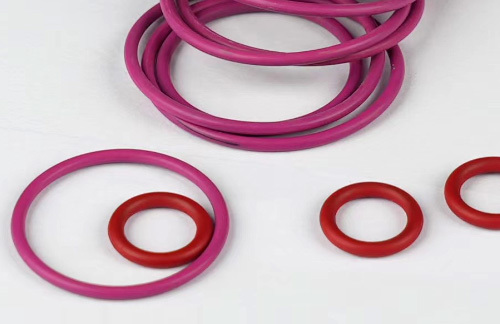
3. Traditional Materials Used in O-Rings
In the early stages of O-ring development, manufacturers relied on conventional materials that were readily available and cost-effective. These materials laid the groundwork for understanding the sealing capabilities required in automotive applications.
3.1 Nitrile Rubber: The Classic Choice
Nitrile rubber, also known as Buna-N, has long been the go-to material for O-rings due to its excellent resistance to petroleum-based fluids. Its ability to withstand varying temperatures has made it a staple in automotive applications. Though effective, nitrile rubber has limitations when exposed to certain chemicals and extreme temperatures.
3.2 Neoprene: The Versatile Performer
Neoprene O-rings have been widely adopted for their versatility and durability. They offer good resistance to ozone, weathering, and moderate oils. While not as resistant to high temperatures as some other materials, neoprene O-rings have found their niche in applications where environmental exposure is a concern.
3.3 Silicone: Temperature Resilience
Silicone O-rings are favored for their ability to perform in extreme temperature ranges, both high and low. They exhibit excellent flexibility and resilience, making them suitable for applications where thermal stability is critical. However, their compatibility with certain fuels and oils can be a drawback.
4. Introduction to Advanced Materials in O-Rings
As automotive technology has progressed, the demand for higher-performing O-rings has led to the development of advanced materials. These materials are engineered to withstand harsher environments and provide enhanced sealing capabilities. The ongoing quest for reliability and efficiency in automotive systems has fueled this innovation.
5. Advanced Materials Revolutionizing O-Rings
Modern advancements in material science have introduced a range of innovative compounds that offer distinct advantages over traditional materials.
5.1 Fluoroelastomers: The High-Performance Option
Fluoroelastomers are engineered for superior chemical resistance, making them ideal for high-performance automotive applications. They can withstand extreme temperatures, aggressive chemicals, and are less susceptible to wear and aging. Their durability ensures that they maintain effective sealing for extended periods, enhancing overall system longevity.
5.2 Thermoplastic Elastomers: Merging Flexibility and Strength
Thermoplastic elastomers (TPEs) combine the properties of rubber and plastic, offering flexibility and strength in one package. TPE O-rings are lightweight, adaptable, and can be produced in various hardness levels. Their ease of processing allows for intricate designs, making them popular in modern automotive applications.
5.3 PTFE (Teflon) O-Rings: The Chemical Resistance Leaders
PTFE O-rings are renowned for their exceptional chemical resistance and stability at high temperatures. This makes them an excellent choice for sealing applications that involve aggressive fluids or conditions. PTFE’s low friction properties also reduce wear on mating surfaces, enhancing the lifespan of components.
6. The Manufacturing Process of O-Rings
The production of automotive O-rings involves several meticulous steps to ensure quality and performance. The manufacturing process typically includes the following stages:
1. **Material Selection**: Choosing the appropriate material is crucial based on the application requirements, including chemical exposure and temperature ranges.
2. **Mixing**: Raw materials are mixed to create a uniform compound that meets specific performance criteria.
3. **Molding**: The compound is molded into O-ring shapes using compression or injection molding techniques. This step allows for precise dimensions and surface finishes.
4. **Curing**: O-rings undergo a curing process to enhance their mechanical properties and chemical resistance. This process involves heating the material to create cross-links between polymer chains.
5. **Quality Control**: Each batch of O-rings is subjected to rigorous testing to ensure they meet performance standards. This includes dimensional checks, compression set tests, and chemical resistance evaluations.
7. Application Areas of O-Rings in the Automotive Industry
Automotive O-rings play a critical role in various applications, ensuring that systems function efficiently and safely. Key areas of application include:
- **Engine Sealing**: O-rings are used in cylinder heads and oil pans to prevent oil and coolant leaks.
- **Transmission Systems**: They seal hydraulic circuits within automatic transmissions, ensuring smooth operation and pressure maintenance.
- **Suspension Components**: O-rings are found in shock absorbers and struts, contributing to the overall performance of the vehicle’s suspension system.
- **Fuel Systems**: In fuel injectors and pumps, O-rings prevent leaks and maintain proper pressure, enhancing engine efficiency.
- **Brake Systems**: O-rings are essential in hydraulic brake systems, providing reliable sealing to ensure safety and performance.
8. Future Trends and Innovations in O-Ring Materials
The automotive industry is consistently evolving, and so are the materials used in O-rings. Future trends include:
- **Sustainability**: The development of bio-based and recycled materials aims to reduce environmental impact while maintaining performance.
- **Smart O-Rings**: Incorporating sensors into O-rings for real-time monitoring of pressure and leaks could revolutionize maintenance practices.
- **3D Printing**: Advancements in additive manufacturing could allow for custom O-ring designs tailored to specific applications, enhancing performance and reducing waste.
9. Conclusion
The evolution of automotive O-rings from traditional to advanced materials represents a significant advancement in sealing technology. As vehicles become more complex and demanding, the materials used in O-rings must also adapt to meet these challenges. Understanding the characteristics and applications of both traditional and advanced materials is essential for industry professionals. The future holds exciting possibilities, with innovations poised to further enhance the reliability and performance of O-rings in automotive applications.
10. FAQs About Automotive O-Rings
What are automotive O-rings used for?
Automotive O-rings are used primarily for sealing applications in engines, transmissions, fuel systems, and brake systems to prevent leaks and maintain pressure.
What materials are commonly used for automotive O-rings?
Common materials include nitrile rubber, neoprene, silicone, fluoroelastomers, thermoplastic elastomers, and PTFE.
How do I choose the right O-ring material?
Choosing the right O-ring material depends on factors like temperature range, chemical exposure, and application requirements.
What is the lifespan of automotive O-rings?
The lifespan of O-rings can vary based on material, application, and operating conditions, but advanced materials typically offer longer durability.
Can O-rings be reused?
While some O-rings may be reused if they show no signs of wear or damage, it is generally recommended to replace them to ensure optimal sealing performance.
Keyword:
Automotive ORINGS
As the leading designer and manufacturer of rubber parts and seals, DESIOR Rubber has a wide range of products to meet all your sealing needs. From our vast o-ring inventory of virtually any shape and size to our complex, custom sealing solutions, we have precisely what you need for any sealing application.


Have a inquiry?
All You Need to Know About Silicone O-Rings in the Chemical Industry
Discover the essential information about silicone O-rings and their applications in the chemical industry. Learn about their unique properties, benefits, and how they are used in various rubber produc




DESIOR TECHNOLOGY CO.,LTD


BLDG B QINGBANG FOREIGN FACTORY HIGH TECH NORTH 4 RD, NANSHAN DIST,SHENZHEN.CHN










SAF Coolest v1.3.1.2 设置面板 AFISD-ZWNF-AXZWE-ZSZ
无数据提示
Sorry, the current column is being updated, please stay tuned!
You can view other sections or go back Home