

DESIOR TECHNOLOGY CO., LTD
Our wish is to let children touch a better and healthier world.
All categories >
**Introduction**
In the world of rubber and rubber products, O rings play a crucial role in ensuring the proper functioning of various machines and equipment. These small but mighty components come in a wide range of sizes, each serving a specific purpose. In this comprehensive guide, we will demystify O ring sizes, exploring their importance, types, and how to select the right size for your needs.
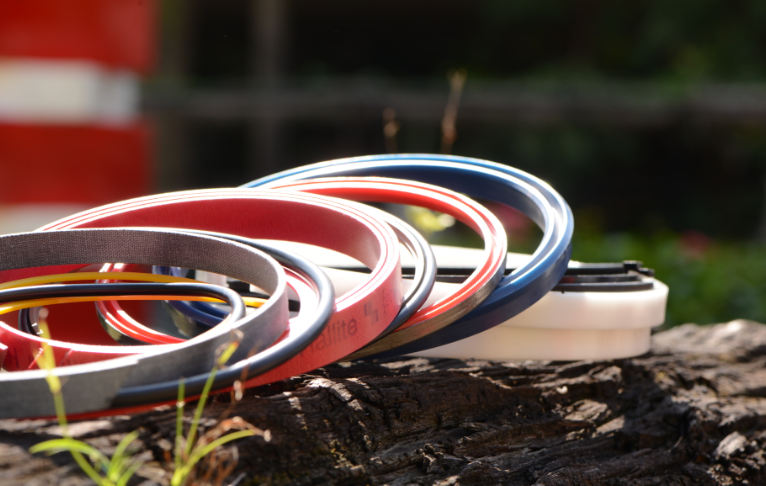
**What Are O Rings?**
O rings are circular rubber seals designed to fit into a groove and create a seal between two parts. They are commonly used in hydraulic and pneumatic systems, plumbing, and automotive applications to prevent leaks and contamination. O rings are known for their versatility, durability, and cost-effectiveness, making them a popular choice in various industries.
**Importance of O Ring Sizes**
The size of an O ring plays a critical role in its functionality. A proper fit ensures a tight seal, preventing leaks and maintaining system integrity. Choosing the right size O ring is essential for optimal performance and longevity of equipment. Improper sizing can lead to leaks, system failure, and costly repairs.
**Types of O Ring Sizes**
O rings come in a wide range of sizes to accommodate different applications. Standard sizes are based on the inside diameter (ID), outside diameter (OD), and cross-sectional diameter (CS) of the ring. Custom sizes can also be manufactured to meet specific requirements. Common size ranges include metric, imperial, and AS568 standards.
**How to Select the Right O Ring Size**
When selecting an O ring size, it is crucial to consider the dimensions of the groove, the temperature and pressure conditions, the material compatibility, and the application requirements. Consulting with an experienced rubber engineer or O ring supplier can help ensure you choose the right size for your needs.
**Factors Affecting O Ring Sizes**
Several factors can impact the sizing of O rings, including temperature fluctuations, pressure variations, chemical exposure, and material shrinkage. It is essential to consider these factors when selecting an O ring size to ensure optimal performance and reliability.
**FAQs About O Ring Sizes**
1. What are the standard sizes for O rings?
Standard O ring sizes are based on the inside diameter, outside diameter, and cross-sectional diameter of the ring.
2. How do I measure an O ring size?
To measure an O ring size, use a caliper to determine the inside diameter, outside diameter, and cross-sectional diameter of the ring.
3. Can I use a larger O ring size than the groove?
It is not recommended to use a larger O ring size than the groove, as it may not provide a proper seal.
4. What is the tolerance for O ring sizes?
The tolerance for O ring sizes varies depending on the application and industry standards.
5. Can I use different size O rings in the same application?
Using different size O rings in the same application is not recommended, as it can lead to leaks and system failure.
**Conclusion**
In conclusion, understanding O ring sizes is essential for ensuring the proper functioning of your equipment and machinery. By selecting the right size O ring and considering the factors that affect sizing, you can prevent leaks, system failures, and costly repairs. Consult with a knowledgeable rubber engineer or supplier to help you choose the right O ring size for your specific needs. Remember, the devil is in the details when it comes to O ring sizes, so pay attention to the small things to avoid big problems.
Keyword:
O ring Sizes
As the leading designer and manufacturer of rubber parts and seals, DESIOR Rubber has a wide range of products to meet all your sealing needs. From our vast o-ring inventory of virtually any shape and size to our complex, custom sealing solutions, we have precisely what you need for any sealing application.


Have a inquiry?
All You Need to Know About Silicone O-Rings in the Chemical Industry
Discover the essential information about silicone O-rings and their applications in the chemical industry. Learn about their unique properties, benefits, and how they are used in various rubber produc




DESIOR TECHNOLOGY CO.,LTD


BLDG B QINGBANG FOREIGN FACTORY HIGH TECH NORTH 4 RD, NANSHAN DIST,SHENZHEN.CHN










SAF Coolest v1.3.1.2 设置面板 AFISD-ZWNF-AXZWE-ZSZ
无数据提示
Sorry, the current column is being updated, please stay tuned!
You can view other sections or go back Home