

DESIOR TECHNOLOGY CO., LTD
Our wish is to let children touch a better and healthier world.
All categories >
Introduction
When it comes to O-ring sizes in the rubber industry, there are a few key factors to consider. O-rings are measured based on their inner diameter (ID), outer diameter (OD), and cross-sectional diameter (CS). These dimensions are critical for ensuring a proper seal and preventing leaks in systems.
The ID of an O-ring refers to the distance across the center opening, while the OD is the total diameter including the rubber material. The CS diameter represents the thickness of the O-ring. These measurements are typically given in millimeters, although some manufacturers may use inches.
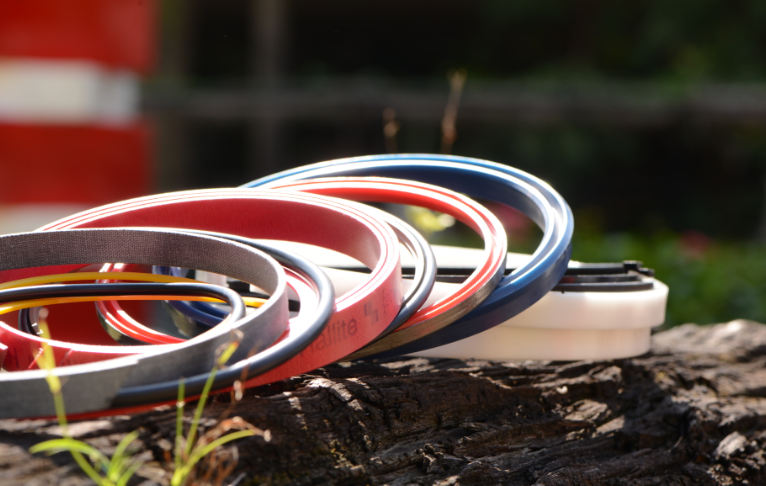
It is important to select the right O-ring size to ensure a tight seal and prevent leaks. Using the incorrect size can lead to performance issues and system failures. To determine the appropriate O-ring size for your application, you can refer to industry standards or consult with a rubber specialist.
O-ring sizes can vary depending on the material and application. Different materials offer varying levels of chemical resistance, temperature tolerance, and durability. Common materials used for O-rings in the rubber industry include nitrile, silicone, EPDM, and Viton.
In conclusion, understanding O-ring sizes is crucial for ensuring optimal performance and preventing leaks in the rubber industry. By selecting the right size based on ID, OD, and CS dimensions, you can ensure a tight seal and reliable operation. Consult with a rubber specialist to determine the best O-ring size for your specific needs.
Keyword:
O ring Sizes
As the leading designer and manufacturer of rubber parts and seals, DESIOR Rubber has a wide range of products to meet all your sealing needs. From our vast o-ring inventory of virtually any shape and size to our complex, custom sealing solutions, we have precisely what you need for any sealing application.


Have a inquiry?
All You Need to Know About Silicone O-Rings in the Chemical Industry
Discover the essential information about silicone O-rings and their applications in the chemical industry. Learn about their unique properties, benefits, and how they are used in various rubber produc




DESIOR TECHNOLOGY CO.,LTD


BLDG B QINGBANG FOREIGN FACTORY HIGH TECH NORTH 4 RD, NANSHAN DIST,SHENZHEN.CHN










SAF Coolest v1.3.1.2 设置面板 AFISD-ZWNF-AXZWE-ZSZ
无数据提示
Sorry, the current column is being updated, please stay tuned!
You can view other sections or go back Home